

By Hezekiah Ovedhe.



Former Secretary to the Delta State Government (SSG) Comrade (Chief) Ovuozourie Samuel Macaulay, has called for the establishment of agro-processing, storage facilities hubs across rural communities in Delta State as a strategic measure to enhance agricultural productivity, increase farmers’ earnings, and tackle unemployment.

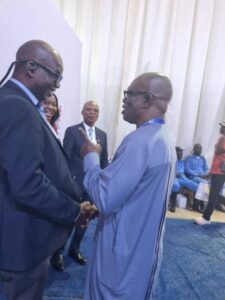

Macaulay made the call on Tuesday while contributing to discussions during the interactive session on the Agriculture and Micro Business of the second day of the Delta State Economic and Investment Summit 2026, held at the Dome Event Centre, Asaba.
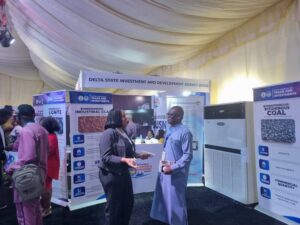

He identified the absence of modern storage facilities as one of the major constraints limiting the growth and profitability of rural agriculture in the state.



According to him, many smallholder farmers, particularly those engaged in cassava cultivation and the production of other staple crops, continue to suffer losses due to lack of storage facilities and access to modern equipment needed to process their harvest into higher-value products. He noted that the situation has continued to undermine the full economic potential of the agricultural sector.
To address the challenge, Macaulay urged the Delta State Government to establish agro-processing centres an in rural communities, including cassava processing mills and other value-addition facilities. He explained that such investments would reduce post-harvest losses, improve product quality, increase farmers’ incomes, stimulate rural industrialisation, and generate sustainable employment opportunities, especially for young people.
He expressed confidence that the recommendations emerging from the summit would strengthen the state’s agricultural value chain, attract greater private sector investment, and address long-standing challenges affecting agricultural productivity.
In his words; “sustained investment in agriculture remains critical to achieving food security, expanding non-oil exports, diversifying the state’s economy, and promoting inclusive economic growth.”